Two-Phase Orthodontic Treatment: What Florence Families Should Expect
A child’s smile changes quickly, and so does the way an orthodontist plans care. Parents in Florence often have questions when an orthodontist mentions treatment now and possibly more treatment later. That approach is called two phase orthodontic treatment, and it is designed around a child’s growth rather than a one-size-fits-all timeline.
Two-phase care is not a requirement for every child. It is a way to use the predictable stages of dental development to address specific problems early, then finish alignment later when more permanent teeth are in place. Understanding what each phase does can help families feel more confident about the plan and ask better questions at the consultation.
What Two Phase Orthodontic Treatment Means
Two-phase orthodontic treatment divides care into two separate stages, typically involving braces or aligners. The first stage is an early interceptive phase. The second is a later comprehensive phase. Between them is a rest period, which is a planned pause in active treatment.
This approach generally means that part of the orthodontic treatment is completed while the child still has some baby teeth. The later phase happens after more development has occurred. The two phases are connected by a plan, but they are not usually back-to-back appointments. The rest period gives the child time to grow and gives the orthodontist time to see how the permanent teeth are coming in.
Two-phase treatment is different from care that is completed in one comprehensive stage. In some children, one phase of treatment is all that is needed. In others, early intervention can make the later work more straightforward. The right plan depends on the child’s bite, growth, and dental development.
Why an Orthodontist May Recommend Two Phases
Early orthodontic care can do more than straighten visible teeth. The goals of interceptive treatment can include shifting teeth, guiding growth, creating space for permanent teeth that need to come in, breaking habits, and preventing trauma. Those goals are easier to address at certain developmental stages.
Two-phase orthodontic care includes a child’s predictable developmental stages in the treatment plan. That timing can help an orthodontist address a problem while growth is still active. The benefits can be significant, from improved facial symmetry and prevention of future dental issues to potentially shorter treatment times later. Those benefits are not guarantees, and they vary from child to child.
Guide growth so the jaws and dental arches can develop more favorably.
Create room for permanent teeth that may otherwise become crowded.
Address oral habits that can affect tooth position or development.
Reduce the risk of trauma in situations where early care can help.
Parents should think of Phase One as setting up better conditions for development. It is not always about achieving a finished smile at a young age. The later phase often handles the detailed alignment and bite correction that makes sense once more permanent teeth have arrived.

Phase One: Early Interceptive Care
Phase One is the early interceptive stage. It often involves growth modification, and treatment options can include palatal expanders as well as braces or aligners, depending on the child’s needs. The exact appliance and plan are chosen after an orthodontic evaluation.
This phase commonly takes place while some baby teeth remain. The focus is on interception: guiding growth, making space, and reducing problems that could become more complex later. Phase One may not produce a perfectly aligned smile on its own, and that is expected. Its job is to improve the foundation.
Not every child will need an early round of orthodontic treatment. Some children have developmental patterns that can be watched, while others have concerns that respond well to early care. An orthodontist can explain why a first phase is being recommended and what it is intended to accomplish.
The Rest Period Between Phases
After Phase One, the child enters a rest period. Active treatment pauses while the permanent teeth continue to come in and the child’s development progresses. This pause is part of the plan, not a sign that treatment has failed or that the orthodontist has lost interest in the case.
The rest period also helps the orthodontist decide when Phase Two should begin. Starting the comprehensive phase at the right time matters because the plan depends on which teeth have erupted and how the bite is developing. Families should ask what to expect during this pause and when the next check on development should happen.
Phase Two: Comprehensive Treatment
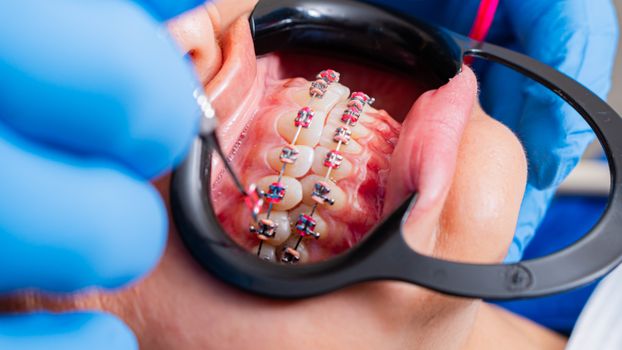
Phase Two is the later comprehensive phase. It usually focuses on aligning the permanent teeth and finishing the bite. Braces or aligners are commonly used during this stage. Phase Two builds on what was accomplished earlier, but it can also be the only orthodontic phase some children need.
For families, Phase Two may feel more familiar because it often looks like the traditional braces or aligner treatment people expect. The difference is that it follows a plan shaped by the child’s earlier development. If Phase One created space or guided growth, Phase Two can use that space to finish the smile.
Phase One and Phase Two at a Glance
The table below gives a general comparison. Individual treatment plans can vary, and not every child will have both phases.
Stage | Typical focus | What families may notice |
|---|---|---|
Phase One | Growth modification, space creation, habit correction, and trauma prevention | Often begins while some baby teeth remain and may involve appliances such as palatal expanders |
Rest period | A planned pause in active treatment while development continues | Time between stages before the second phase is scheduled |
Phase Two | Comprehensive alignment and bite correction | Usually involves braces or aligners after more permanent teeth have arrived |
Families should treat this comparison as a starting point for conversation, not as a schedule. The orthodontist’s recommendations should be based on the child’s specific dental and facial development.
Who May Benefit, and Who May Not
Two-phase orthodontic treatment is not necessary for every child. Some children need early interceptive care, while others can wait for a later comprehensive phase. The decision depends on the child’s developmental stage and orthodontic needs, not on a fixed rule that applies to every family.
Parents can ask useful questions during the evaluation. Why is early treatment being recommended now? What specific problem will Phase One address? What is expected during the rest period? What will Phase Two involve? Clear answers can help families understand whether the plan is about solving a current problem, preventing a future one, or both.
It is also reasonable to ask what would happen if treatment were delayed. In some cases, waiting is appropriate. In others, early care may be more effective while growth is still happening. The orthodontist can explain the tradeoffs for the child’s situation.

What Florence Families Can Expect at Brightside Orthodontics
Brightside Orthodontics provides orthodontic care for children, teens, and adults in Florence, and the practice is led by Dr. Christina Quarterman. Families who have questions about two phase orthodontic treatment can use a consultation to discuss timing, goals, and what each stage may involve. The practice’s family-friendly approach is a good fit for parents who want to understand the plan before treatment begins.
A consultation is also a chance to talk about the child’s comfort, the appliances that may be used, and how the rest period fits into the overall plan. Because two-phase treatment is tailored to the child, the best plan is the one that matches the child’s growth and dental needs rather than a general timeline.
For Florence families, the most important step is to ask questions and leave with a clear understanding of why treatment is being recommended, what it is expected to accomplish, and what comes next. That clarity makes it easier to decide when to begin and how to support the child through each stage.
Frequently Asked Questions
Does every child need two-phase orthodontic treatment?
No. Not every child needs an early round of orthodontic treatment. Some children benefit from interceptive care while baby teeth remain, while others can wait for a single comprehensive phase. An orthodontic evaluation can show whether treatment should begin early, wait, or be planned for later.
What happens during the rest period?
The rest period is a pause between Phase One and Phase Two. Active treatment stops while the child’s permanent teeth continue to come in and development progresses. The orthodontist can then determine when the comprehensive phase should begin. The rest period is part of the overall plan, not a sign that treatment has ended.
Can Phase One or Phase Two use braces or clear aligners?
Two-phase treatment typically involves braces or aligners, and the choice depends on the child’s needs and the stage of treatment. Phase One may include growth modification appliances such as palatal expanders. Phase Two often uses braces or aligners for comprehensive alignment. The orthodontist will recommend options after an evaluation.
What are the benefits of two-phase treatment?
Two-phase treatment can guide growth, create space for permanent teeth, address habits, and reduce the risk of trauma. Benefits may include improved facial symmetry, prevention of future dental issues, and potentially shorter treatment times. Results vary, and not every child needs this approach. An orthodontist can explain what is realistic for a specific child.
Is two-phase treatment better than traditional braces?
Two-phase treatment and traditional braces are not always direct alternatives. Two-phase care splits treatment into an early phase and a later comprehensive phase, while traditional braces may be completed in one stage. The better choice depends on the child’s growth, bite, and dental development. An orthodontist can recommend the timing that fits the child’s needs.