Braces in Florence SC for Kids, Teens, and Adults
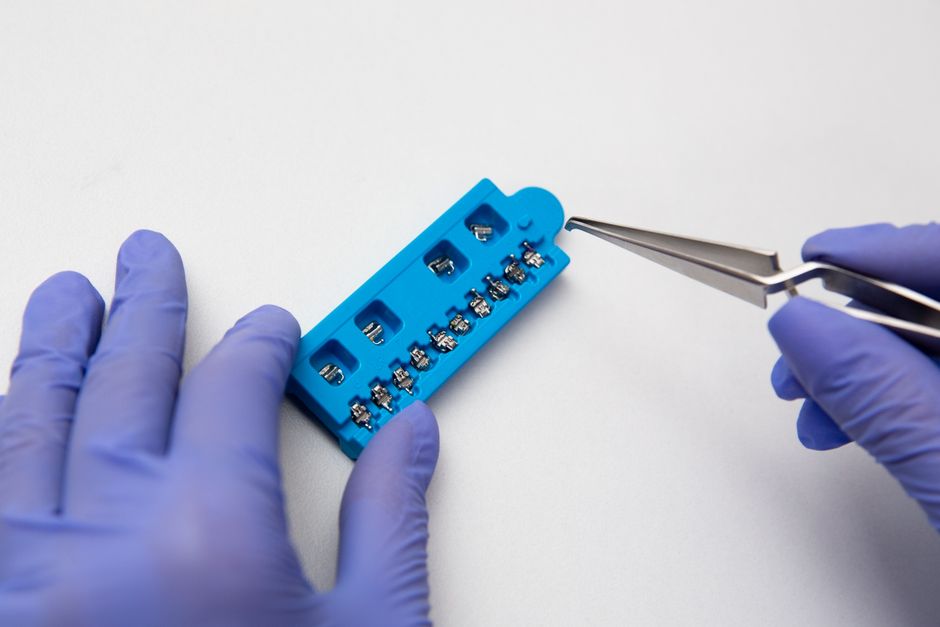
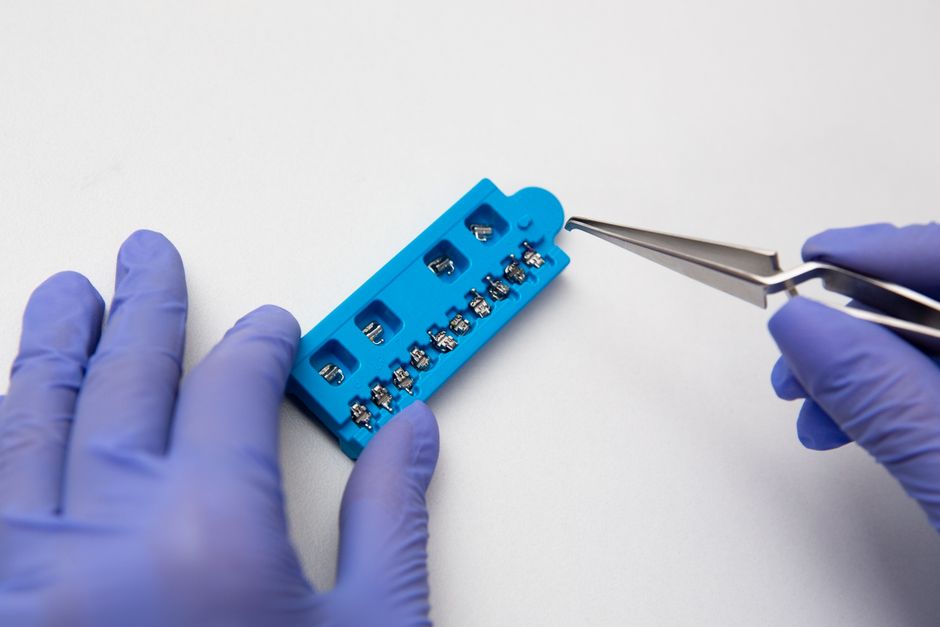
Few things in a family’s schedule feel as big as the first orthodontic consultation. Maybe your child’s dentist mentioned a bite concern at a cleaning. Maybe your teen has started hiding their smile in photos. Maybe you are the one who has wanted straighter teeth for years and finally decided this is the year. Whatever brought you here, traditional braces at Brightside Orthodontics in Florence, SC give you a clear, proven path to a healthier smile, with a team that treats patients like neighbors.
Why Families Choose Brightside Orthodontics on Palmetto Street
Brightside Orthodontics is led by Dr. Christina Quarterman, and the practice was built around a simple idea: orthodontic care should feel personal, warm, and easy to fit into real life. That shows up in the small things. A single location on West Palmetto Street means you are not bouncing between offices for consultations, adjustments, and retainer checks. The same team greets your family at every visit. Parents get straight answers about what is happening in their child’s mouth and why.
If you are driving in from the surrounding area, the Palmetto Street office keeps the trip simple and repeatable. For families weighing several options in the region, a visit to Brightside is a chance to meet Dr. Quarterman, see the space, and ask questions before committing to anything. You can reach the office at 843-665-4951 or find the practice online at www.brightsideorthodontics.com.
Traditional Braces for Kids: Timing Matters
Orthodontists are dental specialists who diagnose and treat problems with the position, alignment, or spacing of the teeth, along with related irregularities in the face and jaw. For children, the value of an early evaluation is that it lets a specialist catch issues while the jaw is still growing. Sometimes that means treatment starts right away. Often it means the team monitors your child’s development and chooses the ideal moment to begin.
Early treatment is one of the services offered at Brightside, and it exists for a reason. Crowding, bite problems, and habits like thumb sucking can be easier to guide when a child is younger. That said, not every child needs early intervention, and a good orthodontist will tell you honestly when waiting is the smarter choice. An evaluation gives you information instead of guesswork.
Braces for Teens
Teen years are when most traditional braces happen, and there is a reason for that timing. By the early teen years, most permanent teeth have arrived and the jaw is still responsive to guidance. Teens also tend to be motivated patients. They can follow instructions, keep their appliances clean, and see the payoff in the mirror.
The social side matters too. Teens care about how braces look, and that is fair. Modern brackets and colorful band options let patients put a little personality into treatment, and many teens find that braces become a normal part of their friend group rather than a source of stress. The bigger win comes later, when a confident smile shows up in senior photos, college visits, and job interviews.

Braces for Adults
Adult orthodontic treatment is more common than many people assume. Teeth can be moved at any age as long as the gums and supporting bone are healthy, and Dr. Quarterman evaluates each adult patient individually before recommending a plan. Some adults come in with crowding they have lived with for decades. Others are dealing with shifting teeth, bite discomfort, or a smile they have never felt good about.
Adults bring an advantage to treatment: they are usually excellent at keeping appointments and following care instructions. If you are an adult comparing traditional braces with clear aligners, a consultation is the right place to talk through both. Brightside offers both options, so the recommendation comes from your actual bite and goals rather than a one-size-fits-all script.
What Happens at Your First Consultation
The first visit is a conversation plus an exam. Expect the team to look at your teeth and bite, review your dental history, and ask what you want to change. You will leave knowing whether treatment is recommended, roughly what it would involve, and what the next step looks like. Bring your questions. Nothing is too small to ask.
-
What specifically needs to change about my bite or alignment?
-
Is now the right time, or should we wait and monitor?
-
Traditional braces or clear aligners, and why?
-
How long will treatment take, and how often are visits?
-
What does the cost look like, and what payment options exist?
-
What should I do at home to protect the braces?

How Long Does Treatment Take?
Every mouth is different, so no honest practice will quote a single number for everyone. As a general guide in orthodontics, treatment may take from 6 to 30 months, and patients typically come in once every 4 to 10 weeks for adjustments. Those visits are short, but they are where the progress happens.
Several things influence the timeline: how much movement is needed, how well the bite responds, and how consistently the patient follows instructions. Keeping scheduled appointments and avoiding foods that break brackets are two of the simplest ways to protect your timeline. If a bracket comes loose, call the office rather than waiting for the next regular visit.
Caring for Braces Day to Day
Braces reward a little attention each day. Brushing takes longer because you are working around brackets and wires, and flossing needs a threader or a water flosser to reach behind the wire. The team will walk you through technique so it becomes routine rather than a chore.
Food choices matter more than most new patients expect. Hard, sticky, and crunchy items are the usual culprits behind broken brackets, and a broken bracket can add weeks to treatment. The list to watch is short:
-
Chewy foods such as bagels and licorice
-
Crunchy foods such as popcorn, chips, and ice
-
Sticky foods such as caramel candies and chewing gum
-
Hard foods such as nuts and hard candies
-
Foods that require biting in, such as corn on the cob, apples, and carrots
Most of these are still on the menu with a small adjustment. Cut apples and carrots into slices. Skip the ice. The payoff is fewer emergency visits and a straighter path to the finish line.
Making Braces Fit Your Budget
Cost is the question most parents ask first, and it deserves a direct answer. Brightside offers financing to make treatment manageable, including $1,000 off or $299 down. Because the right plan depends on the treatment recommended for your child or for you, the exact numbers belong in a conversation at the office rather than a number on a web page. Ask about payment options at your consultation and the team will walk you through them.
It also helps to think about timing. Orthodontic treatment is an investment in function as well as appearance. Straight teeth are easier to clean, and a healthy bite can reduce wear and strain over a lifetime. For families with more than one child who may need care, planning ahead with the office can make the schedule and the budget work together.

Booking Your Braces Consultation in Florence, SC
Getting started is simple. Call Brightside Orthodontics at 843-665-4951 to schedule a consultation at 615 W. Palmetto St., Florence, SC 29591, or visit www.brightsideorthodontics.com and use the online forms to get in touch. Bring your insurance information if you have it, along with any questions you have been saving up.
Dr. Christina Quarterman and the Brightside team see children, teens, and adults from Florence and the surrounding communities, and every plan starts with listening to what you want your smile to do for you. If you have been putting off that first call, this is a good week to make it.
Frequently Asked Questions
At what age should a child first see an orthodontist?
Many children benefit from an evaluation once their permanent teeth begin coming in, which is often around age seven. That visit does not always lead to treatment. Often it gives the orthodontist a baseline to monitor, so the right moment to start is chosen with real information instead of waiting for a problem to become obvious.
Are traditional braces better than clear aligners?
Neither is universally better. Traditional braces handle complex movement and do not depend on the patient remembering to wear them, which can help teens. Clear aligners are removable and less visible. Brightside offers both, so Dr. Quarterman can recommend the option that fits your bite, your habits, and your goals after an exam.
How often will we need to come in for adjustments?
Adjustment visits typically happen once every 4 to 10 weeks, though your schedule depends on the treatment plan. These appointments are usually brief. The team will map out the expected rhythm at the start of treatment so you can plan around school, work, and activities without surprises.
What can we do about the cost of braces?
Ask about financing at your consultation. Brightside offers options that include $1,000 off or $299 down, and the team can explain how each applies to your recommended treatment. Exact pricing depends on the plan Dr. Quarterman recommends, so a consultation is the fastest way to get a real number for your situation.
Can adults still get braces?
Yes. Teeth can be moved at any age when the gums and supporting bone are healthy. Adult patients often find that treatment fits more easily into daily life than they expected, and many appreciate that traditional braces work consistently without needing to be removed and reinserted throughout the day. An exam confirms whether treatment is appropriate.