Braces Care Tips for Florence Teens: Food, Flossing, Comfort
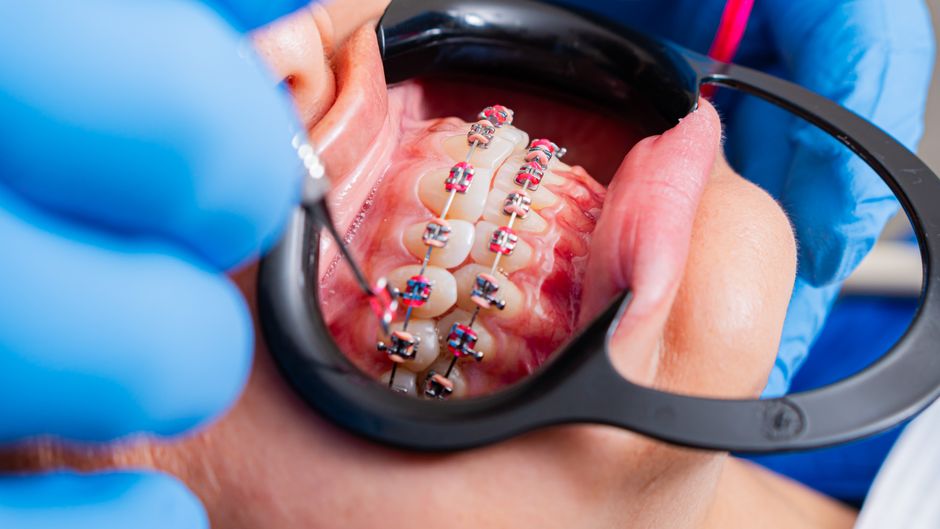
A new set of braces changes more than a smile. It changes the way a teen eats lunch in the school cafeteria, brushes before bed, and packs a bag for a weekend trip. The brackets and wires are doing the heavy work of moving teeth, but the daily habits around them decide how healthy the mouth stays while that movement happens.
At Brightside Orthodontics in Florence, teens and their families get the same message from day one: braces care is a routine, not a chore list. Once the routine is built into a normal day, most of the worry fades. Here are the braces care tips that matter most for Florence teens, covering brushing, flossing, food choices, and comfort when something feels off.
Brushing Is the First Line of Defense
Most teens brush in the morning and before bed, and that habit carries over from before braces. With brackets in place, morning and night are not enough. Food sits against the brackets and under the wires long after a meal ends, and that is exactly where trouble starts.
The technique matters as much as the timing. Position the toothbrush at a 45-degree angle and clean both above and below each bracket. Angling the bristles gets into the space where the bracket meets the tooth, which is easy to miss with a flat, back-and-forth scrub. Slow down around the brackets, then move on. A few extra seconds per tooth makes a visible difference.
The Five-Brush Day
One helpful way to think about braces care is to aim for brushing at least five times a day: in the morning when you get up, after breakfast, after lunch, after dinner, and before going to bed. That schedule lines up with the meals and snacks that fill a school day, so there is a brush session waiting after each one.
For a Florence teen, that might mean a quick brush at home before the bus, a brush after lunch in the school restroom, and another when they walk in the door after practice or activities. Keeping a travel toothbrush in a backpack makes the middle-of-the-day session realistic instead of forgettable.
Tools Worth Keeping in the Kit
Choosing tools wisely is part of the job. A basic kit that covers the essentials is enough:
- A toothbrush that can reach around brackets and wires comfortably
- Floss for the once-a-day cleaning between teeth
- A fluoride product to help strengthen enamel
- Orthodontic wax for sharp spots and poking wires
Fluoride is a small step that supports enamel, which matters during the months when brackets make certain spots harder to clean. A travel version of the same kit keeps the routine going at school, at a friend’s house, or on a family trip.
Flossing Once a Day
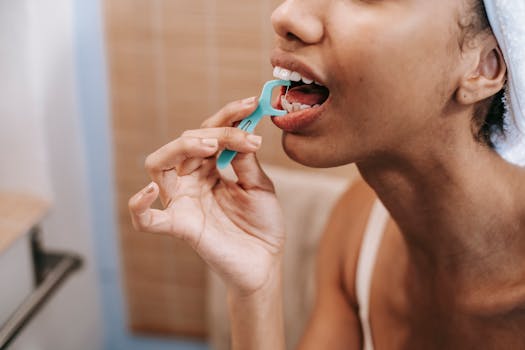
Flossing is the step teens skip most often, and braces make it slower. That does not make it optional. Flossing once a day cleans the spaces between teeth that a toothbrush cannot reach, including the areas around each bracket where food and plaque collect.
The practical answer is patience, not perfection. Flossing with braces takes longer than it did before, so many teens do better flossing at night when there is no rush before school. A minute or two of careful work between the wire and the tooth is worth the extra time.

Food Choices That Protect Brackets
Food is where braces care gets social. Teens share snacks, grab what is quick, and do not want to be the one explaining why they are skipping the candy bowl. A few simple rules make those moments easier.
- Avoid sticky sweets that cling to brackets and wires
- Skip hard foods like apples and nuts, which can disrupt the bonding on brackets
- Choose foods that are easy to chew rather than hard to chew
Hard foods are a real risk for loose brackets. An apple bitten straight into or a handful of nuts can place pressure right where a bracket is bonded to the tooth. Apples cut into slices and nuts chopped or skipped are simple swaps that keep the hardware intact.
Sticky sweets are the other common culprit. Candy that clings to a bracket stays in contact with enamel long after the snack ends. Saving sweets for a moment when a brush is close by, rather than grazing on them through the afternoon, keeps the braces cleaner and the cavity risk lower.
Comfort at School and on the Go
Most braces discomfort is small and manageable, but it usually shows up at the least convenient time. A wire poking a cheek during third period or a bracket that feels loose after lunch can make for a rough day if there is no plan.
Orthodontic wax is the simplest comfort tool. When a wire or bracket feels sharp, a small piece of wax covers the edge and protects the inside of the cheek until a professional can look at it. Teens who keep wax in their backpack, locker, or purse handle these moments without a phone call home.
When a Bracket Comes Loose or a Wire Pokes
For a poking wire, cover the sharp edge with orthodontic wax and let the office know so the wire can be checked. For a loose bracket, resist the urge to fiddle with it and contact the practice about the next step. Avoiding hard foods is what prevents most of these visits in the first place, so the food rules above double as comfort rules.
Families in Florence can reach out to Brightside Orthodontics whenever something feels wrong. A quick conversation often settles whether a spot needs to be seen in the office or can wait for the next scheduled visit.
Habits at a Glance
| Habit | How often | Why it matters |
|---|---|---|
| Brush at a 45-degree angle above and below brackets | After every meal | Removes food that collects against brackets and wires |
| Full brush sessions through the day | At least five times a day | Keeps cleaning tied to each meal and snack |
| Floss between teeth | Once a day | Cleans the spaces a toothbrush cannot reach |
| Use fluoride | As part of the daily routine | Helps strengthen enamel during treatment |
| Use orthodontic wax | As needed | Covers sharp edges while a wire or bracket is checked |

How Parents Can Make It Easier
Teens do better with braces care when the home setup makes the right choice the easy one. Keeping a stocked brush and floss station in the bathroom, plus a small travel kit by the door, removes the friction that leads to skipped sessions.
Snack choices at home carry a lot of weight too. When the kitchen has easier-to-chew options within reach and sticky sweets are less available, teens do not have to negotiate every afternoon. A brief reminder about the floss at night and a check that wax is in the backpack covers the rest.
Braces care comes down to repetition, not intensity. A teen who brushes around every bracket, flosses once a day, swaps hard and sticky foods for safer options, and keeps wax handy is doing the work that protects their smile between visits. Families in Florence who want help building that routine can start with a conversation at Brightside Orthodontics and leave with a plan that fits a real school week.
Frequently Asked Questions
How often should a teen with braces brush?
Guidance for braces wearers often points to brushing at least five times a day: when you get up, after breakfast, after lunch, after dinner, and before bed. At a minimum, brush after every meal rather than only in the morning and at night, and angle the brush at 45 degrees to clean above and below each bracket.
Is flossing still necessary with braces?
Yes. Flossing once a day cleans the spaces between teeth and around brackets where a toothbrush cannot reach. It takes longer with wires in place, so many teens floss at night when they are not rushing out the door. Consistency matters more than speed.
Which foods should teens with braces avoid?
Avoid sticky sweets that cling to brackets, and skip hard foods like apples and nuts that can disrupt the bonding on brackets. Choosing easy-to-chew foods protects the hardware and cuts down on surprise repair visits. Slicing apples rather than biting into them is a simple adjustment.
What should a teen do if a wire starts poking?
Use orthodontic wax to cover any sharp edge so it stops irritating the cheek, then let the orthodontic office know so the wire can be checked. Wax is a comfort measure, not a fix. A loose bracket should also be reported rather than adjusted at home.
How can parents help a teen keep up with braces care?
Stock the bathroom with a toothbrush, floss, fluoride, and orthodontic wax, and keep a small travel kit ready for school days. Offer easy-to-chew snacks at home and gentle reminders about nightly flossing. Simple setup removes the friction that leads to skipped brushing.