Signs Your Child Needs Braces: A Parent’s Checklist
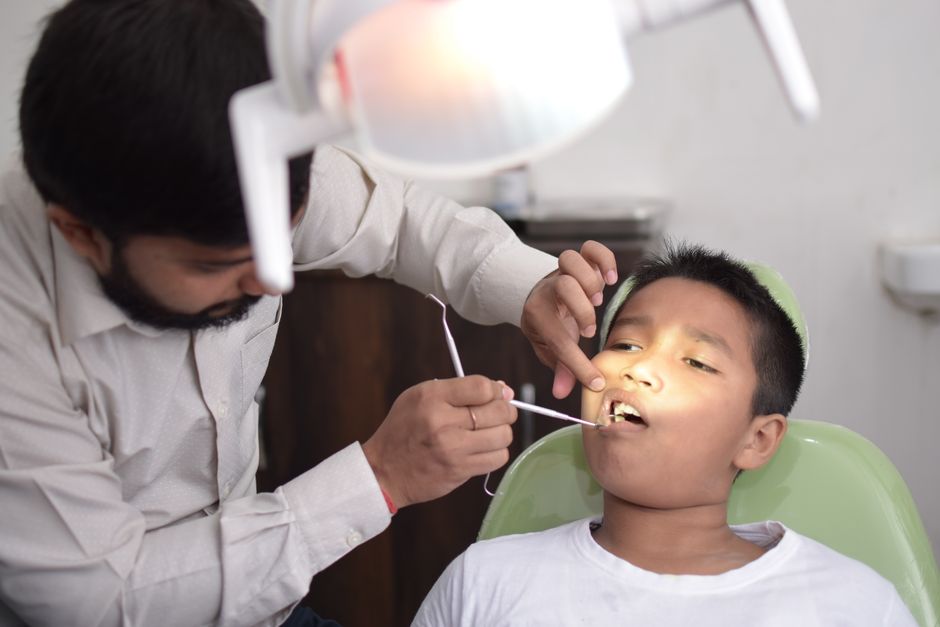
If you have watched your child’s smile change from one year to the next, you already know how quickly teeth move. Baby teeth fall out, adult teeth arrive, and the shape of the mouth shifts along with them. Some of those changes settle into a healthy bite on their own. Others point to a problem an orthodontist should look at. The tricky part for parents is that most of the signs are gradual rather than dramatic. Nothing hurts, nothing looks obviously wrong on a Tuesday afternoon, and yet the teeth may be quietly heading toward crowding or a bite that does not line up.
Knowing the signs your child needs braces can help you decide when to schedule a professional evaluation. Here is what to watch for, why age seven comes up so often, and how the decision about treatment actually gets made.
Why Age Seven Keeps Coming Up
The American Association of Orthodontists recommends that children have an orthodontic examination by the time they are seven years old. One reason is that most dental problems can start as early as age seven. An exam at that stage gives an orthodontist a look at how the teeth and jaws are developing while there is still room to guide that growth.
That recommendation does not mean your seven-year-old will walk out of the office in braces. Many children at that age are simply checked and then monitored, with follow-up visits scheduled as adult teeth continue to come in. The point of the early exam is information. It gives you and your orthodontist a baseline and a plan instead of a surprise later.
For families in the Florence area, Brightside Orthodontics offers early treatment evaluations with Dr. Christina Quarterman at the practice’s Palmetto Street office, and that first visit is a conversation as much as an exam.
Signs a Child May Need Braces
No single item on this list guarantees that braces are necessary. What matters is the pattern. One noticeable sign is worth mentioning at a dental visit, and several together are a good reason to schedule an orthodontic evaluation.
Crowded or Crooked Teeth
Crowding shows up when there is not enough room in the jaw for every tooth to sit in its proper place. You might see teeth that overlap, twist, or grow in behind their neighbors. Orthodontists also look for teeth described as misplaced, missing, or blocked out, meaning a tooth has not come through where it should. Crowded teeth are harder to clean, which can raise the risk of decay and gum irritation over time, and they are one of the most common reasons parents bring a child in for a first evaluation.
Gaps and Spacing Between Teeth
Noticeable spaces between teeth are another common sign, and they can appear for several reasons, including the size of the jaw, missing teeth, or an imbalance in how the teeth and jaws relate to one another. Some spacing closes on its own as more adult teeth arrive, and some does not. If a gap is wide, has been there a while, or shows up alongside crowding elsewhere in the mouth, it is worth having someone look at the whole picture rather than just the space itself.
Baby Teeth Lost Early, Late, or Irregularly
The timing of baby teeth matters more than most parents expect. Early loss, late loss, or an irregular pattern of loss can all affect how the adult teeth come in. When a baby tooth leaves too soon, nearby teeth may drift into the empty space. When one stays too long, it can block the permanent tooth waiting behind it. Both situations can change the path an adult tooth takes, which is exactly the kind of thing an orthodontist is trained to spot during a routine exam.
Bite Problems: Overbite, Underbite, Crossbite, and Open Bite
A bite that does not line up correctly is one of the strongest signals that orthodontic treatment may be needed. Overbite and underbite describe how the upper and lower teeth meet when the mouth is closed. Crossbite and open bite describe other ways the top and bottom teeth fail to come together properly. You may notice these yourself when your child smiles, talks, or chews, or you may not see them at all. Some bite issues are obvious, and others are only visible to a trained eye during an examination.
Trouble Chewing or Biting
Difficulty chewing or biting is a practical sign that something is off. Your child may avoid certain foods, take a long time to finish a meal, or complain that biting into something feels awkward. A bite that does not function well can make everyday eating harder than it needs to be, and it is one of the more clear-cut reasons to have an orthodontist take a look. If your child is adjusting how they eat to work around their teeth, that is worth mentioning at the next appointment.
Thumb Sucking and Pacifier Use
Thumb sucking and pacifier use are common in young children, and they are not automatically a problem. The concern is persistence. When a habit continues while adult teeth are coming in, it can influence how the teeth and jaws develop. Parents often wonder whether they should wait for the habit to end on its own. That is a good question for an orthodontist, who can assess the habit alongside the child’s current dental development and recommend whether to monitor or act.
Mouth Breathing
Mouth breathing appears on many orthodontic warning-sign checklists, and it is often noticed by parents before anyone else spots it. You might see your child breathing through the mouth at rest, sleeping with the mouth open, or sounding congested much of the time. Because mouth breathing can have causes outside orthodontics, it is worth raising with both your child’s dentist and the orthodontist so the right professional can look into it.

A Quick Reference for Parents
This table pulls the most commonly cited signs into one place. Use it as a starting point for a conversation, not as a diagnosis.
| What you notice | Why it can matter |
|---|---|
| Crowded, crooked, misplaced, or blocked-out teeth | There may not be enough room for adult teeth to come in straight |
| Gaps or spacing between teeth | Spacing can point to jaw size, missing teeth, or other alignment concerns |
| Baby teeth lost early, late, or irregularly | Timing of tooth loss can affect how and where adult teeth erupt |
| Overbite, underbite, crossbite, or open bite | The upper and lower teeth are not meeting the way they should |
| Difficulty chewing or biting | A bite that does not function well can make eating harder |
| Continued thumb sucking or pacifier use | Habits can influence how teeth and jaws develop over time |
| Mouth breathing | Often noticed alongside orthodontic concerns and worth a professional look |
If two or three of these describe your child, that is enough reason to schedule an evaluation rather than wait and see.
What Happens at an Orthodontic Consultation
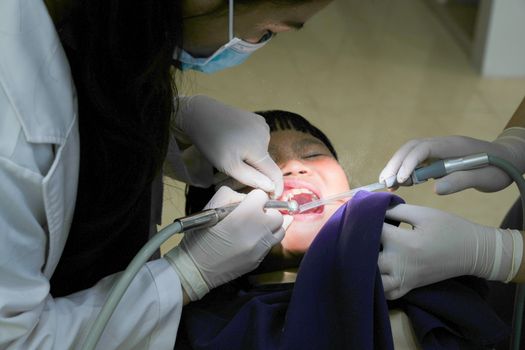
A first visit is usually a conversation plus an examination. You talk through your concerns, your child’s dental history, and anything you have noticed at home, from chewing trouble to a habit that has lingered. The orthodontist examines how the teeth are coming in and how the bite is meeting. From there, you should leave with a clear picture of what is happening now, what may happen as your child grows, and what the next step looks like.
That next step is often one of two things. Either treatment makes sense now, or the recommendation is to watch and re-check in a few months. Both are legitimate answers, and both should come with an explanation you understand. If you are comparing options for your child, this is also the time to ask about traditional braces and clear aligners, and to find out which one suits your child’s situation.
Early Treatment, Monitoring, or Waiting
Parents sometimes worry that bringing a young child in means committing to years of treatment. In practice, an early evaluation gives an orthodontist the chance to guide growth while it is still happening, which can make later treatment simpler. At other times, the recommendation is to wait until more adult teeth come in before starting anything.
There is no single right answer that applies to every child, because jaw growth, tooth eruption, and bite patterns all vary. That is why a professional evaluation matters more than a checklist. A dentist may be the first to notice something and refer you, but an orthodontist is the person who confirms what is happening and whether treatment is needed.

Questions to Ask at the First Visit
Bringing a short list of questions makes the appointment more useful and helps you leave with clear next steps.
- What exactly did you see in my child’s bite and alignment?
- Do you recommend treatment now, or monitoring with follow-up visits?
- What changes would you expect to see as my child grows?
- Which treatment options fit my child’s situation?
- What should we keep doing at home in the meantime?
- When should we come back if we decide to wait?
Frequently Asked Questions
At what age should my child first see an orthodontist?
The American Association of Orthodontists recommends an orthodontic examination by age seven. That visit does not mean treatment starts right away. It gives the orthodontist a chance to evaluate how the teeth and jaws are developing and to decide whether monitoring or treatment makes more sense. Many young children are simply checked and re-evaluated as their adult teeth come in.
Do these signs always mean my child needs braces?
No. Crowding, gaps, bite issues, and the other signs on this list are reasons to have an orthodontist look, not proof that braces are required. Some children grow out of early concerns, and others need treatment later rather than sooner. Only an evaluation can tell you which group your child falls into, and the answer often depends on how the bite develops over time.
My child has none of these signs. Should I still schedule a visit?
It can still be worthwhile, especially around age seven. Several orthodontic concerns are not visible to parents during everyday life, including some bite patterns and eruption problems. A routine evaluation is a low-pressure way to confirm that everything is on track. If nothing needs attention, you simply continue with regular dental care and check again later.
Can our dentist tell us whether braces are needed?
Your child’s dentist may notice something during a routine cleaning or exam and refer you to an orthodontist. Dentists and orthodontists look at different things, and the orthodontist is the one who confirms a diagnosis and recommends a treatment plan. If your dentist mentions a concern, scheduling an orthodontic evaluation is the logical next step.
What if we decide to wait instead of starting treatment?
Waiting is a common recommendation, not a failure to act. When an orthodontist suggests monitoring, it usually comes with a timeframe for the next check so the office can track how teeth and jaws change. Keep those follow-up appointments, since the right moment to begin treatment sometimes depends on catching a specific stage of growth.