Retainers After Braces in Florence, SC: 2026 Aftercare Guide
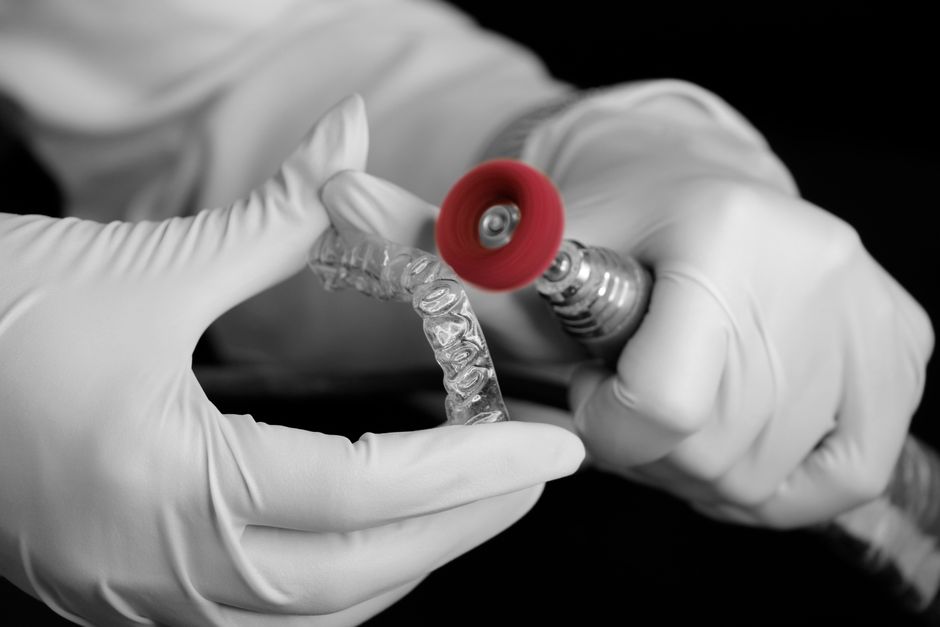
Braces off day feels like the finish line, and it deserves a celebration. The part that keeps those results in place starts the same afternoon. A retainer holds your teeth in their new positions while the bone and gums around them settle, and it stays part of your daily routine long after the brackets come off.
This guide walks through what happens at a retainer fitting, the retainer designs orthodontists typically choose from, how to clean and store an appliance, and the questions worth asking your orthodontist in Florence, SC. Every mouth is different, so treat the general guidance here as background information and follow the schedule your own orthodontist gives you.
Why a Retainer Matters After Braces
Braces do the moving. Retainers do the keeping. Teeth that were guided into a new alignment can drift back toward their original positions without something holding them in place, which is why orthodontic teams describe retainers as the key to preserving straight teeth. Finishing treatment and skipping the retainer leaves months or years of work unprotected.
There is a practical side to this as well. Wearing a retainer is far easier than repeating treatment, and the habits you build in the first few weeks after braces come off tend to stick. Patients who treat the retainer as a normal part of the day, like brushing teeth or buckling a seatbelt, usually have the easiest time adjusting to it.
Your Retainer Fitting Appointment
Being fitted for a retainer usually happens on the same day your braces are removed. After your teeth are thoroughly cleaned, the practice may take another set of X-rays before gathering what it needs to make your appliance. You leave with a retainer, or with clear instructions about when it will be ready and what to do until then.
This appointment is also the best time to ask detailed questions. Find out how many hours a day you should wear your retainer, whether that schedule changes later, what to do if it feels tight or loose, and who to contact if something goes wrong. Write the answers down or save them in your phone. The first month of wear goes quickly, and details are easy to forget once you are back at school or work.
Types of Retainers
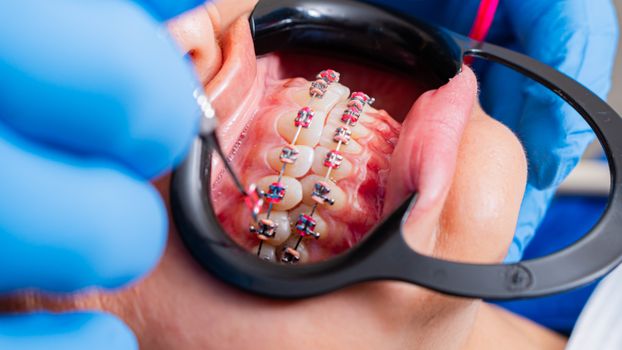
Orthodontists generally choose between removable retainers and fixed retainers. Your doctor will recommend the best retainer for your case, and the goal is the same with every design: holding your teeth in their finished positions.
| Retainer option | How it works |
|---|---|
| Removable Essix | A removable appliance you take out for eating and cleaning |
| Removable Hawley | A removable appliance you take out for eating and cleaning |
| Fixed or bonded | A retainer bonded behind the teeth that stays in place |
Some patients wear a removable retainer on one arch and a fixed retainer on the other, and some wear a combination. Whichever option your orthodontist selects, the point is retention, meaning the alignment you earned through treatment stays where it belongs.
How Long You Wear a Retainer
This is the question nearly every patient asks, and the honest answer is that it depends on your case. Orthodontic practices commonly advise full-time wear for the first few months after braces are removed. One published schedule has patients wear their retainers full time for the first two months, then transition to nighttime wear. Other practices simply tell patients to wear the appliance at all times until the doctor instructs otherwise.
Nighttime wear often continues well beyond the first year. Teeth keep shifting slowly throughout life, so many orthodontists keep patients in a night wear routine long term as a form of insurance for their results. Ask your orthodontist what your schedule looks like and when your next retainer check should be scheduled.
A Daily Retainer Routine
Cleaning Your Retainer Once a Day
Clean the retainer thoroughly once a day with a toothbrush and toothpaste, using warm but not hot water. Brushing retainers removes the plaque and eliminates odors, which matters because a retainer sits against your teeth and gums for hours at a time. Efferdent or another orthodontic appliance cleaner can be used as well, but those products do not take the place of brushing. Hot water can distort the material, so keep the temperature comfortably warm and rinse before you brush.
Keep It in the Case
When your retainer is not in your mouth, it should always be in its case. This single habit prevents most of the lost and damaged retainers that end up needing replacement. Pets love to chew on them, and a retainer left on a nightstand or a bathroom counter is an easy target. A case that lives in the same pocket of your backpack or purse every day makes the routine automatic.
Eating, School, and Restaurants
Take your retainer out when you eat, and always put it back in its case while it is out. Most appliances are lost in school lunchrooms or restaurants, which is exactly why the case matters so much. If you are in a cafeteria or at a table service restaurant, get in the habit of putting the retainer away before the food arrives rather than setting it on a tray or wrapping it in a napkin where it can be thrown out.

Getting Used to Speaking With a Retainer
Initially, you may find it difficult to speak. That is normal, and it passes. Practice speaking, reading, or singing out loud to become accustomed to the appliance. Reading a page of a book aloud each evening is a simple way to train your tongue and lips to work around the retainer. Most patients notice a difference within a short time, and the appliance starts to feel like part of their mouth rather than an object sitting inside it.
What Happens If You Stop Wearing It
Retainers preserve alignment, and without one, teeth can drift back toward where they started before treatment. The risk is highest in the months right after braces come off, while the tissues around the teeth are still settling into their new positions. If your retainer starts to feel tight, or you have gone a long stretch without wearing it, call your orthodontist rather than forcing an appliance that no longer fits comfortably. In some cases a new retainer solves the problem, and in others the doctor may want to evaluate the fit first.

Questions to Ask at Your Retainer Fitting
A short list of questions makes the appointment more useful and gives you a written plan to follow at home.
- How many hours a day should I wear my retainer right now?
- When does that schedule change, and what does it change to?
- Which type of retainer did I get, and why was it chosen for my case?
- How often should I clean it, and what should I use?
- What should I do if it cracks, breaks, or gets lost?
- When is my next retainer check?
- How is a replacement handled if I need one later?
Cost and insurance details vary from practice to practice and plan to plan, so confirm those specifics directly with your orthodontic office rather than relying on general information. The same goes for your wear schedule. Your orthodontist knows your bite, your treatment history, and how much retention your teeth need.
Frequently Asked Questions
How long do I have to wear a retainer after braces?
Timelines vary from person to person, so your orthodontist’s instructions are the ones that matter. Many practices advise wearing a retainer full time for the first few months after braces come off, then switching to nighttime wear. Some patients continue night wear indefinitely to protect their results. Ask for your specific schedule in writing at your retainer fitting.
Can I eat with my retainer in?
Take your retainer out whenever you eat, then put it back in when you are finished. The same guidance applies at school, where most appliances go missing in lunchrooms and restaurants. Always place your retainer in its case while it is out of your mouth, never on a napkin or a tray where it can be thrown away.
How do I clean my retainer?
Clean your retainer thoroughly once a day with a toothbrush and toothpaste, using warm but not hot water. Brushing removes plaque and eliminates odors. Efferdent or another orthodontic appliance cleaner can be used as well, but those products do not take the place of brushing. Handle the retainer carefully while cleaning so it does not warp or crack.
What if my retainer is lost or broken?
Contact your orthodontist right away if your retainer is lost or broken, because teeth can begin shifting when it is not being worn. Do not try to wear a cracked or damaged retainer, since it may not fit or hold your teeth correctly. Your orthodontic team can tell you what the next step is for your case.
Which type of retainer is best?
Your orthodontist will recommend the best retainer for your case. Options include removable retainers such as Essix or Hawley designs, and fixed or bonded retainers that stay behind the teeth. Some patients wear a combination of both. The right choice depends on your bite, your treatment history, and how much retention your teeth need long term.