Can Clear Aligners Fix an Overbite? Florence, SC Guide
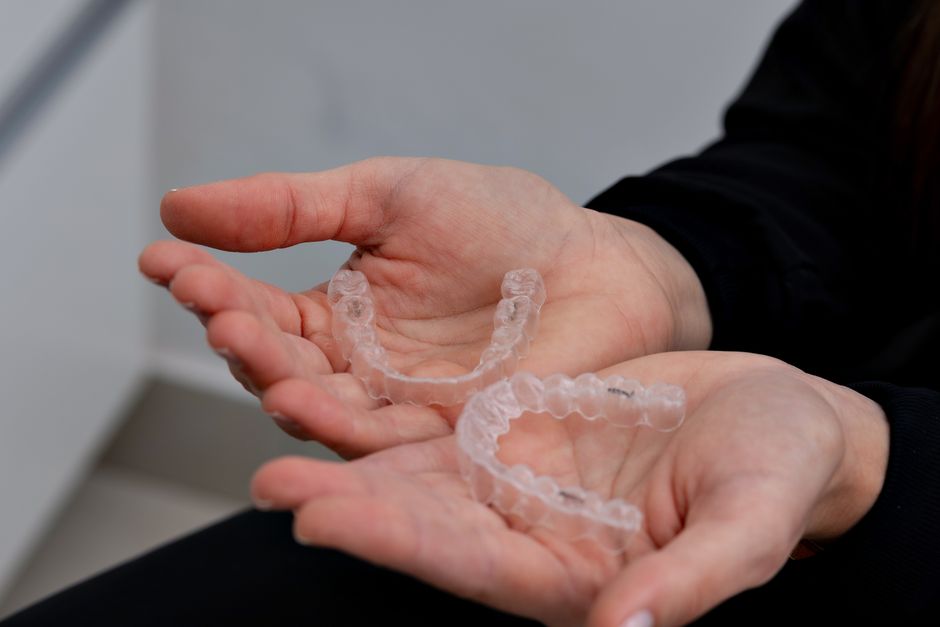

An overbite is one of the most common bite issues orthodontists see, and it is also one of the most misunderstood. Some people assume only metal braces can correct it. Others assume a few months in clear trays will solve anything. The reality sits between those two ideas, and it depends heavily on how much overlap you have and what is driving it.
If you live in Florence, SC or the surrounding area and you have been told you have an overbite, here is what the available guidance says about clear aligners, what they can realistically change, and when a different plan might serve you better.
What an Overbite Actually Is
An overbite happens when the upper front teeth overlap the lower front teeth more than they should. A slight overbite is normal and healthy. Nearly everyone has some vertical overlap. The concern begins when the overlap is significant.
A pronounced overbite can contribute to jaw pain, difficulty speaking, and self-esteem issues that follow people into work, school, and social situations. Because an overbite is about how the upper and lower teeth meet front to back, correcting it is not simply a matter of lining up teeth in a row. It is about changing the relationship between the two arches.
Can Clear Aligners Correct an Overbite?
Yes. Clear aligners can fix an overbite, and many patients with mild to moderate overbites achieve excellent results. Aligners work by gradually moving individual teeth into better positions, which changes how the upper and lower teeth meet over the course of treatment.
The important qualifier is that success largely depends on two things: how severe the overbite is, and how committed the patient is to following the treatment plan. Aligners are not the right solution for every case. Anyone who tells you aligners cannot fix an overbite at all is overstating the limits. Anyone who promises they fix every overbite in every patient is overstating the results. The honest answer is that it depends on what is causing the bite issue and how involved the correction needs to be.
How Aligners Move an Overbite Into Place
The mechanics are simpler than they sound. Aligners correct an overbite by gradually moving the upper teeth back, moving the lower teeth forward, or both, while guiding the bite into a better position over time. Each tray applies gentle pressure to specific teeth, and the sequence is planned in advance so the movement happens in a controlled order.
Because that movement is planned tooth by tooth, the process is often described as moving individual teeth rather than shifting an entire arch at once. For mild to moderate overbites, that gradual approach is exactly what makes aligners effective at eliminating excessive overlap.
What Improvements Are Common
Patients who use clear aligners for an overbite typically see changes beyond a straighter looking smile. Common improvements include:
Better front-to-back tooth overlap
More balanced biting pressure across the teeth
Reduced tooth wear from uneven contact
A bite that feels more even and comfortable
Those changes matter because an uncorrected overbite keeps loading the same teeth unevenly. Reduce the overlap and you often reduce the wear along with it.
Signs an Overbite Is Worth Evaluating
Not every overbite needs treatment, but there are signs that it deserves a professional look rather than a wait-and-see approach. Consider scheduling an evaluation if you notice the upper front teeth covering a large portion of the lower front teeth, if you experience jaw pain, if speaking feels awkward or strained, or if you find yourself hiding your smile in photos.
Parents in the Florence area often notice these patterns in their children first, and adults frequently recognize them in themselves after years of living with an uneven bite. Either way, an exam is what turns a guess into an answer.

How Long Does Overbite Treatment Take?
Treatment time with clear aligners for an overbite can run around 12 to 24 months, depending on your case. That range is wide because “overbite” covers everything from a small amount of extra overlap to a bite that needs substantial repositioning. Simpler movements finish on the shorter end, while cases involving more complex tooth movement take longer.
How consistently the plan is followed matters here too, since aligners only move teeth when they are worn and changed as directed.
Factor | What it means for treatment |
|---|---|
Severity of the overbite | Mild to moderate overbites respond well to aligners; more significant cases may need a different approach. |
Cause of the bite issue | A thorough evaluation identifies what is actually driving the problem before a plan is chosen. |
Patient commitment | Success depends heavily on following the treatment plan as directed. |
Expected timeline | Roughly 12 to 24 months, varying with the complexity of the case. |
Why Consistency Does So Much of the Work
Two people can start with a nearly identical overbite and finish with very different results, and the difference is usually not the aligner itself. It is how closely the treatment plan was followed. Aligners do their job through a carefully sequenced series of small movements, and skipping ahead, falling behind on tray changes, or wearing them less than directed interrupts that sequence.
That is why the phrase “patient commitment” shows up so often in discussions about whether aligners can correct an overbite. It is not a throwaway line. It is one of the two variables that most reliably predicts how well the treatment turns out.
Aligners Are Not the Only Option, and That Is Fine
Both Invisalign and SimplyClear aligners can help correct many overbites and underbites, which gives patients more choices than they had a generation ago. Traditional braces remain an effective option as well, and many practices offer both so the recommendation can match the bite rather than the other way around.
The goal is not to talk anyone into or out of clear aligners. The goal is to match the treatment to the case. Some overbites are well suited to aligners, and some benefit from a different plan.

What a Consultation in Florence Looks Like
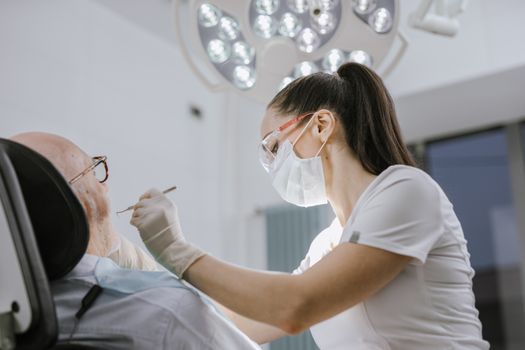
Every treatment plan should begin with a thorough evaluation instead of an assumption. An orthodontist looks at the degree of overlap, how the teeth are positioned, how the bite functions, and what is causing the problem in the first place. That evaluation is what separates a plan that works from a plan that stalls out months in.
Brightside Orthodontics is based in Florence, SC on Palmetto Street and treats children, teens, and adults. The practice is led by Dr. Christina Quarterman and takes a warm, family-friendly, patient-focused approach to care. If you are weighing clear aligners against braces for an overbite, the most useful next step is an exam and a conversation about your specific bite rather than a general rule pulled from the internet.
Frequently Asked Questions
Do clear aligners really fix an overbite?
Yes, in many cases. Clear aligners can correct an overbite by gradually moving the upper teeth back, the lower teeth forward, or both. Patients with mild to moderate overbites tend to see excellent results. Success largely depends on how severe the overbite is and how consistently the treatment plan is followed from start to finish.
Will Invisalign fix my overbite?
Invisalign clear aligners can correct an overbite or deep bite by moving the teeth, with treatment time often around 12 to 24 months depending on the case. SimplyClear aligners can help with many overbites and underbites as well. Your specific bite still needs an exam to confirm what is realistic for you.
Are clear aligners the right choice for every overbite?
No. Aligners successfully treat many orthodontic concerns, but they are not the right solution for every case. The answer depends on what is causing the bite issue and how severe it is. That is why an orthodontist evaluates the bite first before recommending aligners, braces, or another approach.
How long will I wear aligners for an overbite?
Treatment time can run around 12 to 24 months, depending on your case. Mild overbites that need limited tooth movement often finish sooner, while more involved cases take longer. Your orthodontist can give you a more specific estimate after examining your bite and mapping out the movement required.
What improvements can I expect besides straighter teeth?
Common improvements include better front-to-back tooth overlap, more balanced biting pressure, and reduced tooth wear. A significant overbite can also contribute to jaw pain, difficulty speaking, and self-esteem concerns, so correcting the overlap often affects daily comfort and confidence, not just the way your smile looks in photographs.