Braces Care Tips for Florence Teens: Food and Flossing

Braces only do their job when the teeth and gums around them stay clean. That sounds simple until a bracket traps a piece of granola bar and a teenager decides it can wait until bedtime. At Brightside Orthodontics in Florence, families tend to ask the same three questions: what can my teen eat, how do they floss around all this hardware, and what helps when everything feels sore? The good news is that the answers fit inside a normal school day.
Brushing Around Brackets Takes More Than a Quick Pass
The standard advice is to brush two to three times a day for at least two minutes each time, using a soft-bristle toothbrush and covering every surface. Some orthodontic guidance pushes that to three or four times a day, because that frequency keeps food particles and plaque from building up in the tight spaces between brackets, wires, and teeth. When plaque sits there, bacteria feed on sugars and produce acids that damage teeth and gums.
Above and Below the Brackets
A meticulous routine means brushing above and below the brackets rather than just scrubbing the flat face of each tooth. Work methodically across all surfaces, angling the bristles so they reach the gumline and the edge of the wire where food hides. Teens who rush tend to miss the same spots every night, so it helps to move in the same order every time: top right, top left, bottom right, bottom left.
Brushing After Lunch at School
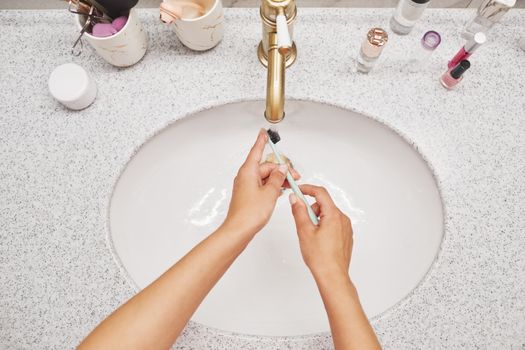
Midday brushing is where most teens fall off track. A workable sequence is to rinse the mouth first, then apply fluoride toothpaste to a soft-bristled toothbrush. That small habit clears out whatever lunch left behind and keeps breath fresh through afternoon classes. Packing a small bag with a toothbrush, toothpaste, and a rinsing cup means there is no excuse to skip it.
Flossing Is the Step Most Teens Skip
Flossing should happen daily, and it is the habit teens abandon first because it is slower and fussier with braces. Skipping it has consequences beyond the orthodontist’s reminder. Trapped food and plaque are the main drivers of bad breath, and they also set up the kind of decay that can interrupt treatment. If flossing feels like a chore, a timer and a set routine make it far more likely to happen.
Tools That Make Flossing Faster
Because thread has to work around the archwire, the process takes longer than it did before braces. Ask the team at your next visit which flossing aids they recommend for your teen’s specific setup, and practice the technique in the office so it can be repeated correctly at home. Doing it at the same time each night, right after brushing, removes the decision from the equation.
Food Choices That Protect Brackets and Wires
Braces care guides generally split food into two piles: things to enjoy freely and things to avoid. Hard, sticky, and chewy items land on the avoid list because they can bend wires, pop brackets loose, or wedge into places a toothbrush cannot reach. Since every treatment plan is a little different, ask your orthodontist for a printed list at your next appointment rather than guessing.
Building a Lunch That Works With Braces
Most trouble starts with how food is prepared rather than what it is. Cutting items into smaller, bite-sized pieces and avoiding the toughest textures at the bottom of a lunch bag goes a long way. If a bracket does come loose at school, the teen should know exactly who to call, which is why the office number belongs in the lunch bag as well as on the refrigerator.
Comfort Tips for Sore Days and Tightening Visits
Soreness after an adjustment is normal, and it usually fades as teeth settle into their new positions. Orthodontic wax is the small tool that makes the biggest difference when a bracket or wire starts rubbing against the inside of a cheek. A care kit that includes extra wax means the fix is available immediately instead of after an uncomfortable night. When a wire is poking or a bracket feels loose, contact the office rather than waiting for the next scheduled visit.
What a Teen Braces Care Kit Should Hold
A well-stocked kit keeps a teen from improvising in a school bathroom. The contents are inexpensive and easy to replace, so keep one in a backpack and one at home.
- A soft-bristle toothbrush, plus a spare
- Fluoride toothpaste and a small container of fluoride mouthwash
- Extra orthodontic wax
- A spare set of aligners if your teen uses them alongside treatment
- Floss or whichever flossing aid the orthodontist recommends
- The office phone number and emergency contact information
A Braces Care Chart That Works at Home
Daily reminders can turn into daily arguments. A colorful chart on the bathroom mirror sidesteps that by making the routine visible. Each day gets a check box for tasks like brushing after every meal, flossing, and wearing any prescribed appliance or elastics. When the week fills up with checks, teens see their own progress instead of hearing it from a parent. Younger siblings often want a chart too, which keeps the whole household on the same page.
Regular Cleanings Keep Treatment on Track
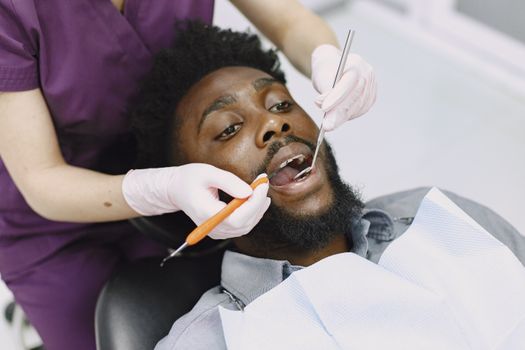
Dental exams and professional cleanings matter more once braces are on, not less. Cavities can delay treatment progress, which means a small problem in a back molar can push back the day the braces come off. Keeping those appointments on schedule, along with watching for the warning signs of plaque buildup, protects the investment your family is making in your teen’s smile.
When to Call the Florence Office
Between scheduled visits, a few situations deserve a phone call rather than patience. A loose bracket, a wire that has shifted or is poking, discomfort that wax does not relieve, or a lost retainer or aligner are all worth reporting. The Brightside Orthodontics team on Palmetto Street can advise whether the issue needs a quick repair visit or can safely wait until the next adjustment.
The habits that protect braces are not complicated. Brush for two full minutes several times a day, clean above and below every bracket, floss daily, keep hard and sticky foods out of the rotation, and keep wax within reach for rough days. Add a chart on the mirror and a kit in the backpack, and braces care stops being a daily negotiation. Florence teens who build those habits early tend to have shorter, smoother treatments and a cleaner smile waiting on the other side.
Frequently Asked Questions
How often should a teen brush with braces?
Two to three times a day for at least two minutes each session is the standard recommendation, though some orthodontic guidance suggests three to four times daily for braces wearers. The goal is preventing food particles and plaque from collecting between brackets and wires. Brushing after lunch at school, even a quick pass with fluoride toothpaste, makes a real difference.
Is flossing really necessary with braces?
Yes, and daily is the target. Floss reaches the spaces between teeth and under the gumline that bristles cannot clean, and those are the spots where plaque and trapped food cause bad breath and decay. Because thread has to work around the archwire, ask your orthodontist which flossing aid they recommend for your teen’s braces.
What should go in a braces care kit for school?
A soft-bristle toothbrush, fluoride toothpaste, a small bottle of fluoride mouthwash, extra orthodontic wax, the flossing aid your orthodontist recommends, and the office phone number. If your teen wears aligners alongside braces, add a spare set. Keeping the kit in a backpack means a loose bracket or a stuck piece of food gets handled before it becomes a bigger problem.
Can cavities delay braces treatment?
They can. Decay may interrupt the treatment timeline, which is why regular dental exams and cleanings matter more once braces are on rather than less. A small cavity caught early is far easier to manage than one discovered months later. Keeping those appointments on schedule helps keep orthodontic progress moving forward.