Adult Braces in Florence, SC: Work, Photos, and Timelines


Adults call an orthodontic office for reasons that rarely come down to vanity alone. Crowding that makes flossing a chore, a bite that clicks, a gap that has bothered you since high school, or a smile you have started hiding in photos all show up in the same consultation. In Florence, SC, the questions tend to sound alike too. Will braces for adults in Florence SC look obvious at work? What happens with weddings, family photos, and video calls? And how long is this really going to take? The honest answers come down to your specific case, but there is plenty you can learn before you ever sit in a chair.
Why Adults in Florence Are Asking About Braces
Orthodontic treatment is not just for children. The appliances an orthodontist uses are designed to align and straighten teeth, adjust the bite, and improve overall oral health, and those goals apply to adults exactly as they do to kids. Adults simply bring different considerations into the room. Jaw growth is finished, so a plan is built around moving teeth within the bone that is already there. Some adults have existing dental work, worn edges, or gums that need attention first, and that shapes what an orthodontist recommends.
There is also the practical side of being a grown-up patient. Treatment has to fit around work schedules, school pickups, and the rest of a full week. A practice that treats children, teens, and adults together makes that easier, since a parent can be seen in the same place where their kids go. Brightside Orthodontics in Florence serves all three age groups, which means an adult consultation is a normal visit, not an unusual request.
What Braces for Adults in Florence, SC Look Like at Brightside
Brightside Orthodontics is a single-location practice on Palmetto Street in Florence, led by Dr. Christina Quarterman. The treatment list covers traditional braces for children and adults, clear aligners for adults and kids, early treatment for younger patients, retainers, and whitening. For an adult, that range matters, because the right option depends on the movement your teeth actually need, not on what photographs best in a brochure.
A first visit usually includes an exam and a real conversation about what bothers you. You should leave knowing what the orthodontist recommends, what the alternatives are, and which questions still need answers. If cost or insurance will affect your decision, raise it during that visit rather than after a plan is built. Good orthodontic care is a collaboration, and the more context you give, the more useful the plan becomes.
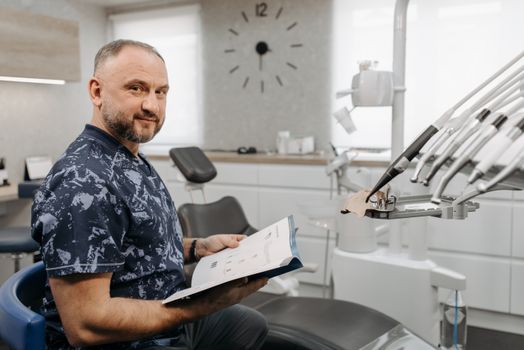
Fixed Braces and Clear Aligners: The Honest Difference
Traditional braces use brackets attached to the teeth and a wire that guides movement. They stay on, so the orthodontist manages the adjustments and you do not have to remember to put anything in. The tradeoff is visibility, plus a cleaning routine that takes a few extra minutes every day. Fluoride rinses, interdental brushes, and patience go a long way.
Clear aligners are removable trays worn as directed and taken out for eating and brushing. Many adults prefer them for work and photos. The tradeoff is discipline, because aligners only do their job when they are actually in your mouth. Both approaches address crooked teeth and bite concerns, and an orthodontist can explain which suits your case. Ask specifically what esthetic options the practice offers, since availability varies from office to office and it is better to hear it directly than to assume.
Braces at Work: Meetings, Lunches, and Video Calls
Most working adults in Florence spend their days in offices, schools, shops, clinics, and job sites, and none of those settings pause for orthodontic treatment. A few small habits make the first weeks far smoother.
Keep a small kit within reach
A pouch with a toothbrush, interdental brushes, orthodontic wax if your orthodontist provides it, and a small mirror fits in a desk drawer or a work bag. Stepping away for two minutes after lunch beats trying to clean your teeth discreetly at the table. If you wear aligners, the kit needs a case as well, because trays wrapped in a napkin have a way of ending up in the trash.
Choose bracket-friendly lunches
Florence lunch spots are not the enemy, but some foods cause trouble. Crunchy, sticky, and hard items can break brackets or bend wires, and a broken bracket usually means an extra visit. Cutting tougher foods into smaller pieces helps. On days with client lunches or team celebrations, lean toward softer options and skip the ice at the bottom of the glass.
Camera confidence on video calls
On a video call, braces show up if your camera sits at eye level and the lighting is good. That is almost always more noticeable to you than to anyone else. If it still bothers you, adjust your camera angle and keep the focus on your work. Adults who choose clear aligners often find video calls a non-issue, since the trays are less obvious on screen.
Photos, Weddings, and Big Events
Florence has a long wedding, graduation, and reunion season, and photos are a genuine concern for plenty of adults. The practical answer is to raise it early. Some adults prefer to start treatment right after a big event, while others pick an option that is less visible for the months surrounding it. If a wedding or a professional photo shoot is on your calendar, say so at the consultation, because the orthodontist may be able to factor that date into the plan. Retainers and whitening also take planning, and neither works well on a rushed schedule.
How Long Does Adult Treatment Take?
Anyone who quotes a fixed number of months before examining your teeth is guessing. Treatment length depends on how much crowding or spacing is present, how the bite fits together, which appliance is used, and how consistently aligners or elastics are worn. Some adults need a short course of treatment and others need more. The only reliable estimate comes after records and a plan built for your mouth.
Be cautious with promises about straightening teeth in a couple of months or with only a handful of trays. Very short timelines exist for very limited goals, but they are not the norm, and they can leave bite problems untouched. Ask what the estimate is based on, what could make it run longer, and what happens if you miss an appointment. Those three questions tell you more about a practice than any advertisement.
Cost, Insurance, and Payment Questions to Ask
Cost is the question adults ask last and worry about first. Pricing for braces and aligners varies by practice, by appliance, and by how complex the case is, so there is no useful single number to publish here. Ask for a written estimate that separates the orthodontic fee from records, retainers, and any visits after treatment ends.
Insurance deserves a direct question too. Some dental plans include orthodontic benefits for adults and some do not, and the specifics live in your plan document rather than in a general rule. Call your insurer, ask what is covered for adult orthodontics, and bring that information to the consultation. Ask whether pre-tax accounts can be applied and whether the practice offers a payment plan. Many Florence orthodontic offices advertise a free or low-cost first consultation, so confirm the details when you call.

Getting Started in Florence
If you have been putting off a consultation because you are not sure you want braces, that is exactly the right reason to schedule one. An evaluation is a conversation, not a commitment. You will learn what the orthodontist sees, what could be done, and what it would involve. Brightside Orthodontics sees adults at its Palmetto Street location in Florence, and Dr. Quarterman and the team can walk through traditional braces, clear aligners, and retainers in plain language. Bring your insurance card, a list of medications, and your calendar so scheduling questions get answered on the spot.
Frequently Asked Questions
Do adults in Florence have options besides metal braces?
Yes. Alongside traditional braces, clear aligners are available for adults, and they are removable so you can eat and brush normally. Which option fits you depends on the tooth movement and bite correction your case requires. Ask during your consultation which appliances the practice offers and why one is recommended over another for your teeth.
Will braces interfere with my job?
For most adults, treatment fits around work with a few adjustments. Keep a small cleaning kit at your desk, choose softer foods at lunch, and expect a short adjustment period after visits when your teeth feel tender. Client meetings, presentations, and video calls continue as usual, and clear aligners can be an option if visibility is your main concern.
How long do adult braces usually take?
There is no single answer. Treatment time depends on crowding, spacing, bite issues, the appliance chosen, and how closely you follow instructions. Some adults finish in a shorter course and others need longer. A realistic estimate only comes after an exam and records, so ask what your timeline is based on and what could change it.
I had braces as a teen. Can I be treated again?
Many adults seek treatment a second time because teeth can shift over the years, especially without consistent retainer wear. A fresh evaluation will show what has changed and what correction is needed. Bring up your earlier treatment history at the consultation, since it helps the orthodontist understand your starting point and plan accordingly.
What should I ask at my first orthodontic visit?
Ask what treatment is recommended and why, what alternatives exist, how long the estimate is based on, what the total fee includes, and whether your insurance covers adult orthodontics. Ask about retainers and follow-up visits too, because those are part of the long-term result. Write your questions down beforehand so nothing gets forgotten in the moment.